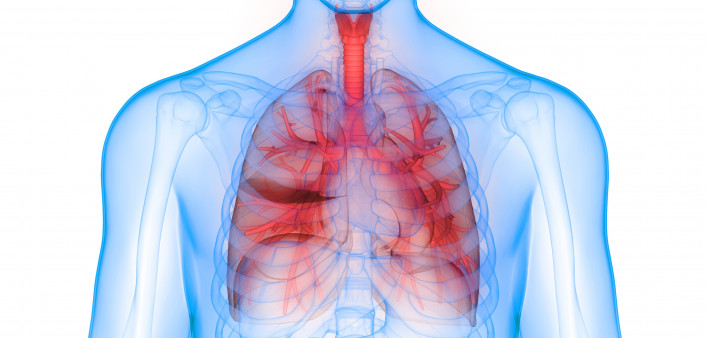
Bacterial pneumonia is lung infection that can cause mild to severe illness in people of all ages. Streptococcus pneumonia is the most common type of bacterial infections.
People living with HIV are more likely to develop bacterial pneumonia and they are also more likely to experience recurrent pneumonia. People with CD4 counts below 100, and those whose bacterial infection has spread beyond the lungs, are at increased risk of death from bacterial pneumonia.
People living with HIV who smoke tobacco, drink alcohol, use injection drugs or have chronic hepatitis or other underlying health conditions, like heart disease or diabetes, are at a higher risk of developing bacterial pneumonia than those who do not.
What are the symptoms, and how is it diagnosed?
Symptoms of bacterial pneumonia include chills, shivering, and chest pain. Fever, rapid breathing, rapid heart rate, and wheezing are other signs of bacterial pneumonia.
A diagnosis of bacterial pneumonia depends mostly on the results of chest x-rays, blood tests (especially those looking for the bacteria and measuring white blood cell counts), and examination of sputum (phlegm) samples.
How is it treated?
Bacterial pneumonia is treated using antibiotics. It’s important to get plenty of rest and drink lots of fluid during recovery. Pneumonia sometimes requires treatment in a hospital, where oxygen and other medications can be administered to ensure effectiveness and to make the patient more comfortable.
Patients usually start feeling better within two to three days after treatment is started. However, completing the full course of treatment is necessary, to ensure that the infection is controlled and to prevent the infection from becoming resistant to the medications being used.
How is it prevented?
Maintaining the health of the immune system through antiretroivral therapy, is one of the best ways to reduce the risk of developing bacterial pneumonia.
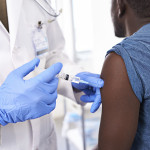
You can also lower your risk by getting vaccinated against some of the bacteria and viruses that can cause pneumonia, like COVID and influenza.
Here are some other ways you can lower your risk of developing bacterial pneumonia:
- Wash your hands regularly
- Eat a healthy diet
- Exercise reguarly
- Get enough sleep
- Don’t smoke
- Avoid other people who are sick
Last Reviewed: February 2, 2022