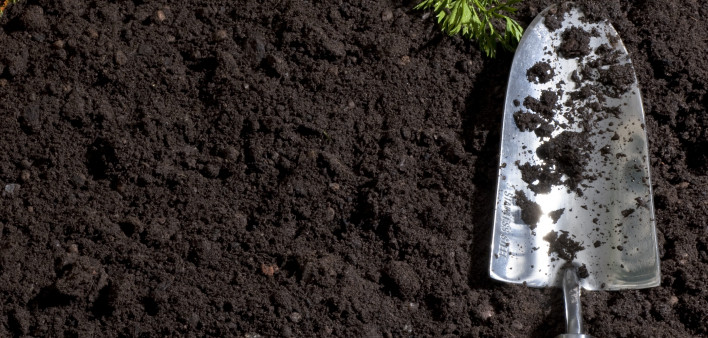
Coccidioidomycosis, also known as valley fever, or desert fever, is an infection caused by two fungi, C. immitis and C. posadasii, which grow in the soil and can become airborne when the soil is disturbed by winds, construction, farming and other activities. Infection occurs when fungal spores are inhaled. Coccidioidomycosis—or cocci (COK-see) for short—is the medical term for infection in any part of the body.
Coccidioidomycosis can be a serious illness; however, most cases resolve on their own, especially in people with healthy immune systems. In those with weaker immune systems, it can cause more serious disease. This can include spreading to other organs, including the bones, joints, lymph nodes, kidneys, skin and even the central nervous system, which can be life-threatening if not diagnosed and treated promptly.
Coccidioidomycosis is found mostly in the southwestern parts of the United States and parts of Mexico and Central and South America, though it was recently found in southern Washington. Anyone who lives in or visits these areas may be exposed.
The infection is not spread from person to person. Those at higher risk for the disease include: people with HIV especially when CD4 counts are below 250, people 60 years or older, pregnant women, people with diabetes, and people who are Black or Filipino. Sometimes, the disease occurs as a reactivation of an earlier infection.
What are the symptoms and how is it diagnosed?
Most people who are infected with the fungi do not experience symptoms. These cases often resolve on their own with weeks or months. When they do occur, symptoms usually appear within 1–3 weeks of infection and are similar to the flu: fever, tiredness, a productive cough, chest pain, night sweats, chills, headache, muscle aches, and sore throat. If the fungi have spread to other body parts, then additional symptoms are possible.
A blood test or a sputnum culture are common ways to test for Valley fever. A health provider may also order a chest x-ray or CT scan of your lungs. In addition, a skin test can be given to determine if you’ve previously had valley fever and have developed immunity.
How is it treated?
People with healthy immune systems who are diagnosed with coccidioidomycosis don’t necessarily require treatment, as the symptoms are usually mild and clear up on their own. For people with weakened immune systems or who at higher risk for developing servere infection are typically treated with an antifungal medication, like fluconazole, for three to six months. A longer course of treatment or a hospital stay may be required for people who have severe lung infections or infections that have spread to other parts of the body.
Most people fully recover with treatment.
Can it be prevented?
For people living in the Southwest, there is no guaranteed way to prevent coccidioidomycosis from occurring, given that the fungi are found in dust, dirt and soil. Here are some ways that may help prevent infection:
- Avoid activities that involve long exposure to dirt and soil, such as gardening, farming, or working on excavation sites.
- Stay indoors during dust storms.
- Use a face mask while working outdoors
- Take preventative antifungal medications if prescribed by your doctor
Coccidioidomycosis can also be prevented by keeping the immune system healthy—by taking HIV meds, reducing stress, eating right and getting plenty of rest.
Last Reviewed: February 2, 2022