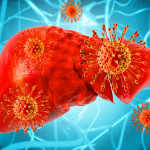
The liver is one of the largest and most important organs in the body. It processes almost everything you eat, drink, breathe and absorb through the skin. It breaks down harmful substances, such as alcohol, and it converts many drugs into forms that are easier for the body to use. It also provides energy from food, stores nutrients, produces blood proteins and acts as a filter to remove harmful toxins and waste products. A healthy liver is essential to a healthy life!
People with HIV often have problems that affect the liver. HIV can infect liver cells, and the virus can cause persistent inflammation—even when viral load is undetectable—that can harm organs throughout the body.
Some medications can cause liver damage, including certain HIV meds. However, modern antiretrovirals are generally well tolerated and usually do not cause serious liver problems. Alcohol, recreational or street drugs, some supplements and herbal remedies and toxic chemicals in the environmental can also harm the liver.
The most common causes of liver disease are viral hepatitis (hepatitis A, B and C), heavy alcohol consumption and fatty liver disease. Over time, these conditions can lead to cirrhosis, liver cancer and the need for a liver transplant. Now that hepatitis B can be prevented with a vaccine and hepatitis C can be easily treated with direct-acting antivirals, fatty liver is a growing cause of advanced liver disease worldwide.
Fortunately, there are many steps you can take to keep your liver healthy. These include limiting consumption of alcohol and recreational drugs, eating a balanced diet, maintaining a healthy weight, getting enough exercise, getting vaccinated against hepatitis A and B and getting treatment for hepatitis C.
What are the signs of liver problems?
Regardless of the cause, liver conditions have many of the same symptoms in common, including:
- Feeling tired and rundown (fatigue)
- Fever
- Loss of appetite
- Nausea and vomiting
- Abdominal pain
- Muscle and joint pain
- Itchiness (pruritus)
- Yellowing of the skin and whites of the eyes (jaundice)
- Dark urine
- Pale-colored stools.
Symptoms may occur during acute hepatitis, soon after infection with hepatitis A, B or C. But many people with early-stage liver problems have no symptoms or mild symptoms that they mistake for the flu. Symptoms can worsen as liver damage progresses, but this can take years or decades, and some people never develop severe manifestations.
Changes in liver enzyme levels in the blood can be an early sign of trouble. These include ALT (alanine aminotransferase), AST (aspartate aminotransferase), alkaline phosphatase and bilirubin. Elevated ALT and AST are signs of liver inflammation. These liver function tests are usually included in a standard “chem screen” that may be done when you have blood drawn to check your viral load and CD4 count.
What are the complications of liver disease?
Hepatitis B or C, fatty liver disease, heavy alcohol use, drug toxicity and other causes can trigger liver inflammation, which lead to a buildup of scar tissue known as fibrosis. Over time, this can progress to cirrhosis, hepatocellular carcinoma (the most common type of primary liver cancer), end-stage liver failure and the need for a liver transplant.
In people with early-stage cirrhosis, the liver still works relatively well. This is known as compensated cirrhosis. Later, when the liver can no longer carry out its vital functions, they may progress to decompensated cirrhosis. People with advanced liver disease can experience a wide range of complications, including:
- Blockage of blood flow through the liver (portal hypertension)
- Abdominal bloating due to fluid accumulation (ascites)
- Swelling, especially in the legs and ankles
- Easy bleeding and bruising
- Blood vessels that resemble spider webs on the skin
- Enlarged blood vessels (varices) in the esophagus and stomach that can cause internal bleeding
- Brain damage leading to impaired mental function (hepatic encephalopathy).
Liver biopsies, imaging scans and blood tests are used to diagnose and monitor liver disease progression. A biopsy involves inserting a hollow needle into the abdomen to take a small sample of liver tissue to examine under a microscope. Ultrasound scans can show liver fat accumulation, and a technique known as transient elastography (FibroScan) measures liver stiffness, an estimate of fibrosis severity.
Can HIV drugs cause liver damage?
Like many medications, certain antiretroviral drugs can harm the liver, known as hepatotoxicity. Fortunately, modern antiretrovirals are generally much easier on the liver than older meds that are no longer widely used.
Liver damage is most likely to occur with drugs that are mainly processed by the liver (others are mainly processed by the kidneys). Some meds can trigger a hypersensitivity or allergic reaction that harms the liver. Older nucleoside reverse transcriptase inhibitors sometimes cause lactic acidosis, liver enlargement and fat buildup (steatosis).
The risk of drug-related liver injury is greatest when drugs are taken at high doses or when multiple medications that affect the liver are taken together. Older individuals, people who drink heavily and people with preexisting liver disease—especially those with advanced cirrhosis—are more prone to drug-related liver problems.
Your doctor may perform liver function tests, including ALT and AST liver enzyme levels, when you enter care and soon after you start new meds. Drug-related liver problems are often reversible when the offending drugs are stopped.
What liver diseases are common among people with HIV?
As antiretroviral treatment has extended the lives of people with HIV, liver disease has become a leading cause of illness and death in this population. Compared with HIV-negative individuals, people living with HIV are at higher risk for hepatitis A, B and C, fatty liver disease and alcohol-related liver disease.
Hepatitis A and E
Hepatitis A virus (HAV) usually spreads via food or water contaminated with feces. Oral-anal sex (rimming) and close contact—for example, living in the same household—can also spread the virus. Outbreaks have been reported among groups with high HIV rates, including people experiencing homelessness and people who inject drugs.
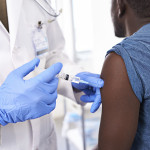
The Centers for Disease Control and Prevention (CDC) recommends that people living with or at risk for HIV should be vaccinated against hepatitis A and hepatitis B; a combination vaccine is available. People recently exposed to HAV can receive post-exposure prophylaxis using the vaccine and HAV immune globulin (injected antibodies). This should be done as soon as possible after exposure.
Hepatitis A is an acute form of hepatitis, meaning it does not cause chronic infection or long-term complications, such as cirrhosis. It usually resolves on its own without treatment, but in some cases, it can cause severe and even fatal illness (known as fulminant hepatitis). There are no specific antiviral medications for hepatitis A. The usual care involves bed rest, drinking plenty of fluids and over-the-counter medications to manage symptoms. Most people fully recover within several weeks and develop lifelong immunity, but immunocompromised people may have persistent infection.
Hepatitis E virus (HEV), which is transmitted the same way as hepatitis A, also causes acute liver disease. It is uncommon in the United Sates, but widespread in developing countries. Most people recover, but it can cause severe illness, especially in pregnant women. People with compromised immunity may develop persistent infection. There is no vaccine or specific antiviral treatment for hepatitis E.
Visit hepmag.com for more information about hepatitis A.
Hepatitis B and D
Hepatitis B virus (HBV), a blood-borne virus, is transmitted in some of the same ways as HIV, including sex, shared injection drug equipment and from mother to child. Many people have both viruses, known as coinfection. Guidelines recommend that HIV-positive people should be screened for hepatitis B, and those living with or at risk for HIV should be vaccinated if they do not already have immunity. People recently exposed to HBV can receive post-exposure prophylaxis using the vaccine and HBV immune globulin.
Most people who acquire HBV as adults clear the virus naturally without treatment and develop immunity. However, around 10% will have chronic infection, meaning it lasts longer than six months. Among children, the proportions are reversed, and most develop chronic infection. In some cases, chronic HBV is inactive and does not cause problems, but it can reactivate if immune function declines. In other cases, chronic infection leads to complications such as cirrhosis and liver cancer. Studies show that people with HIV are more likely to develop chronic hepatitis B, and those with HIV/HBV coinfection tend to experience more rapid liver disease progression and more severe complications than those with HBV alone.
In people with chronic infection, HBV integrates itself into the host genome, which makes it difficult to eradicate. Hepatitis B can be treated with antiviral medications, including tenofovir disoproxil fumarate (TDF, or Viread), tenofovir alafenamide (TAF, or Vemlidy) and entecavir (Baraclude). These drugs stop HBV replication, leading to an undetectable viral load, but they seldom lead to a cure. Adding pegylated interferon increases the likelihood of a functional cure, but it’s still uncommon. Click here for the American Association for the Study of Liver Diseases hepatitis B treatment guidelines.
TDF, TAF, lamivudine (Epivir) and emtricitabine (Emtriva) are active against both HIV and HBV, and guidelines recommend that HIV-positive people with HBV coinfection should include two of them in their antiretroviral regimen. Stopping or switching these drugs can lead to a flare-up of liver inflammation.
Hepatitis D, or delta virus (HDV), is a small defective virus that can only replicate in the presence of HBV. Coinfection with both HBV and HDV typically leads to more rapid and severe liver disease progression. There is no vaccine for HDV, but getting vaccinated against HBV prevents hepatitis D as well. There are currently no approved treatments for HDV, but several are in development.
Visit hepmag.com for more information about hepatitis B.
Hepatitis C
Hepatitis C virus (HCV) is another blood-borne virus that is transmitted in some of the same ways as HIV, and many people have both viruses. HCV most often spreads via shared injection drug equipment, but it can also be sexually transmitted among gay and bisexual men. Women with HIV are more likely to transmit HCV to their babies. Guidelines now recommend that all adults should be screened for HCV at least once, regardless of risk factors; this is especially important for people living with HIV. There is no vaccine for hepatitis C, and it does not confer lifelong immunity, so people who recover can become infected again.
About a quarter of people clear HCV spontaneously without treatment, while the rest develop chronic hepatitis C. Chronic infection appears to be more common among people living with HIV. Over years or decades, chronic hepatitis C can lead to serious complications, including cirrhosis and liver cancer. People with HIV/HCV coinfection tend to experience more rapid liver disease progression and more severe complications.
If a person tests positive for HCV antibodies, they need a second HCV RNA (viral load) test to determine whether they have active infection and need treatment. The advent of direct-acting antivirals (DAAs) has revolutionized the treatment of chronic hepatitis C. Standard therapy previously involved weekly injections of pegylated interferon plus ribavirin, which usually lasted six months to a year, caused difficult side effects and only cured the disease about half the time. In contrast, modern DAA regimens, such as sofosbuvir/velpatasvir (Epclusa) and glecaprevir/pibrentasvir (Mavyret), are taken for eight to 12 weeks, are well tolerated and cure more than 95% of patients. People with HIV/HCV coinfection can be successfully treated for both viruses. HCV genotype testing is not necessary if people use one of these pangenotypic regimens. Click here for the American Association for the Study of Liver Diseases hepatitis C treatment guidelines.
Successful hepatitis C treatment halts fibrosis progression and may lead to an improvement in liver function. However, if liver disease has already progressed to cirrhosis, the damage may not be fully reversible. This is why it’s important to get screened for HCV and start treatment at an early stage.
Visit hepmag.com for more information about hepatitis C.
Fatty Liver Disease
Non-alcoholic fatty liver disease (NAFLD) and its more severe form, non-alcoholic steatohepatitis (NASH), are common among HIV-positive and HIV-negative people alike, affecting around one third of the U.S. population. Some studies suggest that people living with HIV may be at higher risk.
The buildup of fat in the liver triggers inflammation, which over time can lead to serious complications, including fibrosis, cirrhosis and liver cancer. Often associated with obesity and diabetes, fatty liver disease is increasingly recognized as part of metabolic syndrome, a cluster of conditions that raise the risk for cardiovascular disease. However, lean people can develop fatty liver disease too.
There are currently no simple tests for fatty liver disease. Blood tests may show elevated liver enzymes and other biomarkers associated with metabolic abnormalities. Ultrasound, MRI or CT scans may be used to reveal fat in the liver, while transient elastography can help determine the degree of fibrosis. A liver biopsy is the most accurate way to diagnose liver inflammation, fibrosis and NAFLD/NASH.
With no approved medical treatments, management of NAFLD and NASH depends on lifestyle changes such as a healthy diet, exercise and weight loss. Even a small amount of weight loss—as little as 5%—can lead to improvement. Extensive research is underway to develop treatments for NAFLD and NASH, but several drug candidates that looked promising in early studies did not pan out in larger clinical trials. Many experts think that a combination approach will be needed to successfully manage fatty liver disease.
Visit hepmag.com for more information about fatty liver disease.
Alcohol-Related Liver Disease
Studies have shown that people with HIV are more likely to drink heavily and have a higher rate of alcohol use disorder compared with the general population. The liver processes alcohol, and heavy exposure can cause liver damage. Over time, heavy alcohol consumption can lead to fat buildup in the liver, fibrosis, cirrhosis and liver cancer, and it is a leading indication for liver transplants. The mainstay of treatment for alcohol-related liver disease in abstinence from alcohol. This halts liver damage, and with time, it may improve.
Visit hepmag.com for more information about alcohol-related liver disease.
What can I do to protect my liver?
People with all types of liver problems—whether they are HIV positive or HIV negative—can take steps to improve their liver health.
Limit alcohol consumption: Guidelines recommend that men should have no more than two drinks a day and women should have no more than one drink. But many experts think this is still too much and recommend that people with liver disease do not consume alcohol at all.
Eat a healthy diet: A healthy diet includes fruits, vegetables, whole grains and lean protein. Experts recommend limiting consumption of red meat, processed foods and unhealthy fats. Be aware that poorly washed fruits and vegetables can transmit hepatitis A, and raw or undercooked seafood can carry viruses that harm the liver.
Drink coffee: Numerous studies have shown that drinking coffee—even decaffeinated— may lower the risk for liver problems.
Maintain a healthy weight: Losing weight, if needed, and staying at a healthy weight can improve your overall health, reduce inflammation and lower the risk of fatty liver disease.
Manage metabolic problems: Follow medical advice for keeping blood sugar, cholesterol and triglyceride levels in check and managing diabetes or high blood pressure. If lifestyle changes don’t do the trick, medications may help.
Get plenty of exercise: Experts generally recommend getting at least 150 minutes of moderate aerobic activity or 75 minutes of vigorous aerobic activity each week, along with strength training. This can include everyday activities such as walking and gardening.
Stop smoking: Smoking is detrimental to your overall health, and studies show that it increases the risk for liver cancer. Ask your health care provider for advice about quitting.
Limit recreational drug use: Use of recreational or street drugs can be harmful to your health. Ask your health care provider for help cutting down or quitting—for example, medication-assisted treatment for opioid use disorder. If you continue to inject drugs, use a clean needle and other supplies every time.
Be careful with medications, herbs and supplements: Some drugs, such as acetaminophen (Tylenol), can cause liver damage, especially at high doses or when combined with alcohol. Certain vitamins, nutritional supplements and herbal remedies can also harm the liver. On the other hand, other herbs, such as milk thistle and licorice root, may be beneficial. Tell your doctor about all prescription and over-the-counter medications, supplements and herbs you are taking.
Avoid environmental toxins: As much as possible, avoid exposure to toxic liquids and fumes, including solvents, paint thinners and pesticides. If you must use these chemicals, work in a well-ventilated area, cover your skin and wear gloves and a protective face mask.
Get vaccinated against hepatitis A and B: Vaccination is especially important if you have preexisting liver disease. Unfortunately, there is currently no vaccine for hepatitis C.
Get regular medical care: Regular medical monitoring is important for people with liver disease. A number of different tests can show whether liver damage is progressing. People with cirrhosis should be monitored regularly for liver cancer.
Last Reviewed: July 16, 2023