Good nutrition is key to overall health and can help you live long and well with HIV. A well-balanced diet is important for maintaining energy and strength, promoting good immune function, reducing the risk of health problems and improving quality of life.
This is especially true for people living with HIV, as the virus can increase nutritional needs, and poor nutrition can worsen disease progression. People who are on antiretroviral treatment and have an undetectable viral load and a near-normal CD4 T-cell count can generally follow the same nutrition guidelines as the population at large. But people with HIV are more likely to have health problems such as cardiovascular disease, and dietary modifications can help reduce the risk.
Nutrients from food and supplements provide the building blocks for cells and organs and support the function of all bodily systems. They provide the raw materials to repair damage and enable the immune system to fight HIV and other invaders.
A balanced diet—plus supplements, if needed—can help prevent or manage the many symptoms that can arise from nutritional deficiencies, including fatigue, nerve damage, skin problems, slow healing of injuries, depression and cognitive impairment. Good nutrition also helps maintain a healthy weight, which can reduce the risk of heart disease, fatty liver disease and several types of cancer.
How does HIV affect nutrition?
Immune suppression and opportunistic illnesses put extra strain on the body. People with advanced HIV burn calories faster and may not absorb nutrients as well, resulting in increased nutritional needs. Opportunistic infections, as well as the side effects of some antiretroviral medications, can cause nausea and diarrhea, which can lead to nutrient loss. Plus, people who feel ill tend to eat less. Fatigue, appetite loss, changes in the senses of smell or taste and mouth or throat problems can all reduce food intake.
Early research showed that micronutrient deficiencies are common among people with advanced HIV and AIDS, including low levels of vitamins A, B-6 and B-12 and minerals such as selenium and zinc. Some studies have found that nutritional deficiencies are associated with poor immune function and more rapid disease progression and that replenishing these nutrients can improve outcomes.
In the early years of the epidemic, wasting syndrome, or the overall loss of both fat and lean muscle mass, was a hallmark of AIDS. Today, overweight and obesity are more common concerns for people living with HIV in the United States, and a growing body of evidence shows that some people taking modern antiretroviral treatment are prone to excessive weight gain.
Even among people with well-controlled HIV, chronic viral infection triggers ongoing immune activation, inflammation and damage to the gut, which can affect metabolism, energy expenditure and nutrient absorption. What’s more, many people living with HIV have the same lifestyle risk factors as the people who are HIV negative, including an unhealthy diet. For some people, food insecurity, or the inability to consistently afford adequate high-quality food, plays a role.
How can I improve my nutrition?
Experts recommend getting most of your nutrients from a balanced diet that includes a wide variety of foods. This will provide a good supply of vitamins, minerals, amino acids, essential fatty acids and antioxidants.
Whole foods that have not been heavily processed are particularly rich in nutrients. Some foods and spices (including turmeric, black pepper and ginger) have anti-inflammatory properties. Pay attention to color. When shopping for bread, pasta or rice, choose brown whole-grain varieties instead of white—the refining process that removes the color also removes nutrients. From the produce section, select fruits and vegetables with a variety of colors: Green, yellow, orange, red and purple ones contain different nutrients. The more your grocery basket looks like a rainbow of color, the better your diet will be.
U.S. government dietary guidelines no longer include a food pyramid with a recommended number of servings per day from each food group but rather recommend a more flexible approach based on life stages. Instead of struggling to follow complex dietary rules, it’s easier for most people to look at the overall picture and try to choose healthful foods most of the time while cutting back on those that contain added sugar, salt and unhealthy fats.
What is a healthy diet?
A healthy diet includes a wide variety of foods, including the following:
Fruits and vegetables contain many vitamins and minerals as well as phytochemicals with health-promoting properties. Many also contain fiber that promotes good digestion. But be aware that many fruits are high in sugar, and take this into account when budgeting your daily calories.
Carbohydrates are the body’s main source of fuel and help you maintain energy. Whole-grain bread and cereals, brown rice, beans and lentils contain more nutrients and fiber and provide more sustained energy than white bread, white rice and potatoes.
Protein provides essential building blocks for making muscles, bones and other tissues. A healthy diet should include plant-based protein sources like beans, nuts and tofu in addition to lean meat and poultry, seafood, eggs and dairy products.
Fats and oils are essential for everyone—and they are a rich source of calories for people who want to gain weight—but the type of fat matters. Choose monounsaturated fats (found in olive oil and avocados, for example) and polyunsaturated fats (in nuts and seafood) while limiting saturated fats (in meat, cheese and milk) and trans fats (often found in fast food and processed commercial products).
Sugar has pluses and minuses. It supplies essential energy for the body and brain, and it provides extra calories for people who want to gain weight. But too much can contribute to obesity and diabetes. Try to get most sugar from fruit and other whole foods rather than from sweetened drinks and processed foods.
Salt, or sodium, is an essential mineral. Modern American diets are seldom deficient in sodium, but you can lose salt if you sweat heavily when you exercise. Too much salt can cause bloating, or fluid buildup, and can worsen high blood pressure.
Water and other fluids are an important part of your diet. Water is a major component of the body’s cells, and it is necessary for proper digestion. Some experts recommend drinking eight glasses of water per day. If you have a fever, vomiting or diarrhea, your fluid intake should be increased. To keep well hydrated, drink throughout the day before you feel thirsty. Other fluids can help fulfill your daily needs, but go easy on sweetened beverages—and even natural fruit juices—that are high in sugar as well as those that contain alcohol. Coffee and tea contain healthful bioflavonoids, but cut back on caffeine if it makes you jittery or interferes with your sleep.
Vitamins and minerals keep the body—including the immune system—working properly. Some act as antioxidants that prevent cell damage. A balanced diet is the best way to consume vitamins and minerals, but you can also get them in supplements. More is not necessarily better, however, and too much can be harmful.
What about nutritional supplements?
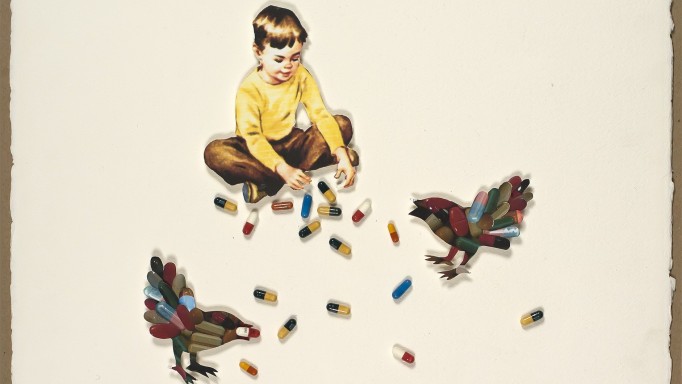
Although gulping down handfuls of pills won’t make up for a poor diet, some people can benefit from supplements. People who eat a vegan diet, for example, may need vitamin B-12 supplements. Those who have trouble getting enough calories and nutrients from food can try high-calorie liquid supplement products.
Although controlled studies on nutritional interventions for people with HIV are scarce, some research suggests that various vitamin, mineral, fatty acid and antioxidant supplements may be beneficial; this is especially the case for people with nutritional deficiencies. A daily multivitamin supplement is safe for most people and can help fill in any gaps in your diet.
How can I ensure that food is safe?
People living with HIV, especially those with a low CD4 count, are more susceptible to infections and should take precautions to make sure the food they eat is free of food-borne bacteria and other pathogens.
Here are some food safety tips:
- Wash your hands with soap and water before and after handling food.
- Wash fruits and vegetables well, even those you can peel.
- Meat, seafood and eggs should be well cooked.
- Use separate utensils and cutting boards for vegetables and meat.
- Serve cold foods cold and hot foods hot—germs grow at room temperature.
- Avoid unpasteurized dairy products.
- Be cautious about foods from bulk bins, deli counters and salad bars.
- Check expiration dates on food packages.
- Throw out anything that looks, smells or tastes funny.
- Use filtered or bottled water if you’re not sure the tap water supply is safe.
How can I adjust my diet to meet my needs?
Develop a customized healthy eating plan by starting with personal preferences, incorporating cultural traditions and considering budget constraints. Standard dietary recommendations might need to be modified based on your individual needs and circumstances. For example, it’s difficult to make a general recommendation about how many calories people need each day, as this will vary according to size, individual metabolism and activity level. Recommended dietary allowances for nutrients set by the federal government are the minimum levels needed to avoid deficiencies—but you may need more.
Keep track of changes in your food intake, weight and measurements over time. Have your blood sugar and lipid levels checked regularly. Talk to your health care provider if you are having trouble eating, are unintentionally losing or gaining more weight than desired or if you feel like you’re not getting necessary nutrients. Discuss your risk for other health problems besides HIV—including cardiovascular disease, high blood pressure, diabetes and fatty liver disease—that might influence your diet. Your provider may refer you to a registered dietitian who can help you develop a personalized diet plan to meet your individual needs.
Last Reviewed: January 5, 2023