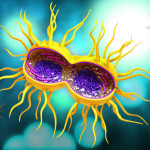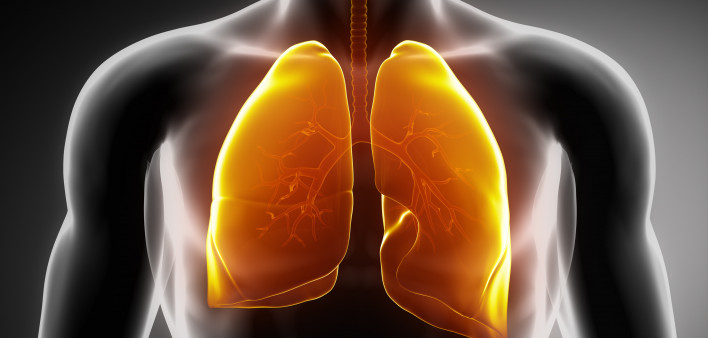
Tuberculosis (TB) is caused by the bacterium, M. tuberculosis. It is a serious lung disease that can be life-threatening if it’s not treated correctly. It is the world’s most common disease caused by an infectious organism, with nearly 2 billion people being diagnosed with it every year.
Although U.S. cases are low in the general public (9,400 cases in 2014), TB remains a common cause of sickness and death in residents living with HIV despite a declining number of new cases overall. Although TB is most often seen in the lungs, it can also affect lymph nodes, bone marrow and the spinal cord especially in those with weakened immune systems, such as CD4 counts below 200.
How is TB spread?
When a person is first infected with TB, one of two things can happen: 1) the immune system controls it so it doesn’t cause disease (called latent infection) or 2) a person can develop active disease. During latent infection, a person cannot spread TB to others. If a person has active disease outside the lungs, they also cannot spread the infection. TB also cannot be spread after three weeks of someone starting treatment for active disease.
TB is spread when a person with active disease speaks, coughs, sneezes or spits. Ongoing, frequent, or close contact with people with active TB increases the risk of transmission, such as living with a family member with TB or in a prison or long-term care facility. TB can also be spread from mother to child before and after birth.
For people living with HIV, infection can happen at any CD4 count although the risk increases as the CD4 count declines. People with HIV are also up to ten times more likely to develop active TB than HIV-negative people. Further, being on HIV treatment greatly reduces the risk for infection and active disease.
What are the symptoms?
People with latent infection do not have symptoms. For HIV-negative people with active disease (either from initial or latent infection), symptoms may develop slowly and include a prolonged cough over two or more weeks, pain in the chest, fever, sweats, weight loss, and coughing up fluid, sometimes with blood. For people with HIV, their symptoms may develop faster and with greater intensity, especially if they have weakened immune systems.
Some of the symptoms of active TB are similar to other infections, such as pneumocystis pneumonia (PCP) and toxoplasmosis. It’s important to make sure that symptoms are properly diagnosed and treated.
How is TB infection diagnosed?
People living with HIV should be regularly screened for TB infection: at diagnosis, at start of HIV treatment if the CD4 count is below 200 and yearly thereafter, and anytime they’ve had contact with someone with active disease. It can take up to 12 weeks for a positive test result to appear after infection.
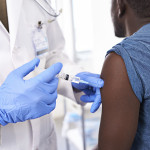
To test for the infection, a tuberculin skin test or TST can be done in a clinic or doctor’s office. A small amount of liquid with pieces of the bacteria is injected directly under the skin, and a clinician looks at the reaction 48–72 hours later. If someone has been exposed to TB in the past, the immune system produces a firm bump at the injection site. If this occurs, a person is said to have a positive TST.
Using an interferon-gamma release assay (IGRA) can also detect TB infection, and several are FDA approved for people with HIV. The main benefit of an IGRA is that it’s a blood test so a person does not have to return to a clinic two to three days later as with the TST.
A positive TST or IGRA generally means additional testing is needed. An X-ray of the chest is then done to look for signs of active disease. Blood tests and samples of sputum (phlegm) may also be done. If the bacteria is found in these samples, it may be tested further to see if it is resistant to any of the drugs commonly used to treat TB.
If there’s a positive TST or IGRA but no signs or symptoms of active disease, then it is generally recommended that people start taking preventive treatment. If there’s a positive TST or IGRA with signs and symptoms of active disease, then antibiotic treatments are used to treat and hopefully cure the active TB. Additional tests may also be done, including a NAAT (nucleic acid amplification test) or a drug-susceptibility (resistance) test.
Because TST testing may not be reliable in HIV-positive people with weakened immune systems, a TB diagnosis might not be made until symptoms are reported and X-rays or blood or sputum tests are done.
How is latent TB infection treated?
One of the following five treatments is possible, although the first two are the preferred regimens. It is critically important to take all TB medications as prescribed to ensure that the TB does not become resistant to any of the drugs. If it does, you could develop active TB that is harder to treat. Report significant side effects to your provider before stopping any medication.
- Isoniazid, once a day: This dosing schedule is taken as a 300mg pill once a day for 9 months. It can cause liver problems and tingling/numbness of the hands and/or feet. Therefore, it is usually taken with daily pyridoxine to help prevent peripheral neuropathy.
- Isoniazid, twice a week: This dosing schedule is taken as a 900mg pill twice a week by directly observed therapy (DOT) for 9 months, meaning a clinician must see you take each pill. This can be done by clinic visit or over a video call. Daily pyridoxine is also taken.
- Rifampin (Rifadin, previously called rifampicin): This dosing schedule is taken once a day for 4 months. However, rifampin can significantly interact with many protease inhibitors and non-nucleoside reverse transcriptase inhibitors. It is possible to switch to an HIV regimen without either drug class while taking TB treatment and perhaps switch back after the TB course is over.
- Rifabutin (Mycobutin): This dosing schedule is taken once a day for 4 months. The dose is based upon the HIV medications that the person is taking to avoid significant drug interactions.
- Rifapentine (Priftin): This dosing schedule is taken by DOT once a week for 12 weeks. The dose is weight based and is taken with weekly DOT doses of isoniazid and daily pyridoxine.
If drug resistance is already present, your doctor should consult experts or local public health officials on which drugs to use for latent infection (and active disease). Also, people who are using preventive TB drugs should be routinely checked for adherence and side effects (including possible hepatitis and nerve damage) while taking the medications.
How is active TB disease treated?
It is critically important to begin TB treatment in people living with HIV, especially those with lower CD4 counts. In this case, TB can progress rapidly up to and including death. Unfortunately, both a confirmed diagnosis and drug resistance testing take a long time. So, treatment is often started if key signs and symptoms are present.
Active disease is usually treated using four antibiotics together to help prevent drug resistance. This is because some people are infected with strains of M. tuberculosis that are resistant to one or more of the drugs commonly used to treat TB. As a result, it’s also recommended that the bacteria is tested for drug resistance as a part of the diagnosis.
Treatment for active TB usually lasts six months with meds taken daily. Although some people can take their meds properly over that long period of time, directly observed therapy (DOT) is still recommended for people with HIV taking TB treatment. Others can benefit from additional support such as case management and other services for housing and practical support.
Although less frequent dosing schedules have been used (two or three times per week during the first two months or last four months), research shows that these are associated with higher failure rates and development of resistance to one or more of the drugs. Therefore, daily doses (5 to 7 doses weekly) with DOT is recommended for the full six months.
For the first two months, the four drugs below are usually prescribed in pill form. Certain combinations of these are available as combo pills. Be sure to take every dose as prescribed to improve the chance of being cured. Report difficult side effects to your doctor as soon as possible. Sometimes, other drugs can be substituted to avoid possible drug interactions or to ease side effects.
- Isoniazid: Can cause liver problems and tingling/numbness of the hands and/or feet. It is usually taken with a second drug, pyridoxine, to help prevent peripheral neuropathy.
- Rifampin (Rifadin): Can cause nausea, vomiting, diarrhea, rash, liver problems, red-orange discoloration of body fluids, along with a decrease in white blood cells and platelets. Rifampin can interact with many HIV medications used to treat HIV, so changing the dose of rifampin or changing certain HIV meds can help avoid additional side effects. Rifabutin could be prescribed to replace rifampin.
- Pyrazinamide: Side effects are similar to those of rifampin, and the dose is based on weight.
- Ethambutol (Myambutol): The dose is based on weight. Ethambutol can cause vision and hearing problems.
If a drug-resistant strain of TB is present, then two other drugs are added to the first two months of treatment: a fluoroquinolone (levofloxacin or moxifloxacin) and either an aminoglycoside (amikacin, gentamicin, etc.) or capreomycin. However, drug and multi-drug resistance is complicated so additional expertise should be sought for the best treatment plans. Other drugs may be needed when TB is present in the central nervous system.
Sputum samples should be collected monthly. If the two-month sputum sample is negative, the ethambutol can be stopped while the other drugs are continued through the next four months. If the sputum sample is positive, then the second phase of treatment is extended to seven months, for a total of nine months.
Managing the clinical needs of HIV and TB can be complicated. However, both should be addressed because it greatly improves the health and longevity of people with HIV and their clinical outcomes. If a person is already on stable HIV treatment, it is reasonable to start TB treatment as soon as possible with careful consideration of drug interactions.
If a person is not on HIV treatment, then timing the start of both treatment plans requires making careful decisions. Guidelines state that HIV treatment should be started within two weeks of starting TB treatment in people with less than 50 CD4s. For all others, HIV treatment should be started within 8 weeks.
Starting complex regimens so closely together can make it challenging to deal with overlapping side effects, drug interactions and adherence. Therefore, additional support may be required.
When starting HIV treatment while on TB treatment (especially at lower CD4 counts), a condition called IRIS or immune reconstitution inflammatory syndrome may occur. This includes fevers, breathing problems, rashes and swollen lymph nodes. Report these symptoms to your doctor right away.
Can pregnant women take TB treatment?
Pregnant women living with HIV should take the same TB treatment as non-pregnant adults. However, as isoniazid can cause liver problems, monthly liver panels should be done throughout pregnancy. There’s not a lot of experience with using pyrazinamide during pregnancy. If it is used, it should be done with expert consultation. If it isn’t used, treatment with the other three drugs should continue for nine months. Expert consultation should also be included when considering the impact of drug substitutions on a pregnancy and HIV medications.
Rifampin can cause a bleeding disorder in babies born to women who took TB treatment during pregnancy. To guard against this, these babies should be given a single 10mg dose of vitamin K.
Are there any experimental treatments?
If you would like to find out if you are eligible for any clinical trials that include new therapies for the treatment or prevention of TB, visit ClinicalTrials.gov, a site run by the U.S. National Institutes of Health. The site has information about all HIV-related clinical studies in the United States. For more info, you can call their toll-free number at 1-800-HIV-0440 (1-800-448-0440) or email contactus@aidsinfo.nih.gov.
Last Reviewed: October 19, 2018